For many young adults, the emergence of the third set of molars—the wisdom teeth—presents a common question: should we wait for a problem to arise, or should we be proactive? While not everyone needs their wisdom teeth removed, choosing preventative wisdom teeth removal as advised by your dental professional can save you significant trouble and expense down the line. It’s one of the most common preventative oral procedures we perform, designed to safeguard your long-term dental health and avoid painful complications. Learn more from Rockwall Oral Surgery today.
Eliminating Future Pain and Infection

One of the most immediate benefits of proactive removal is avoiding the severe, often debilitating, wisdom molar pain that occurs when these teeth become impacted (trapped beneath the gum line or jawbone). Impacted wisdom teeth can exert pressure on surrounding nerves and tissue, leading to chronic discomfort, swelling, and recurrent infections like pericoronitis. By removing them before symptoms flare up, you prevent a painful crisis and ensure a smoother healing process than when the tissue is already infected and inflamed.
Protecting Adjacent Teeth from Damage
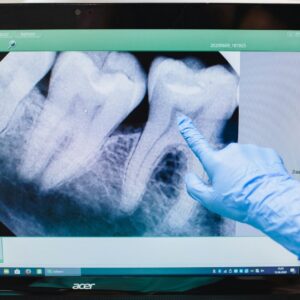
As wisdom teeth attempt to erupt, they often push against the neighboring second molars. Over time, this pressure can cause shifting and misalignment in the rest of your mouth, potentially undoing years of orthodontic work. More seriously, the pressure can create a path for decay, leading to resorption (damage) of the adjacent tooth’s root structure. Proactive removal eliminates this risk entirely, preserving the structural integrity and alignment of your permanent, functional teeth.
Reducing the Risk of Cysts and Tumors
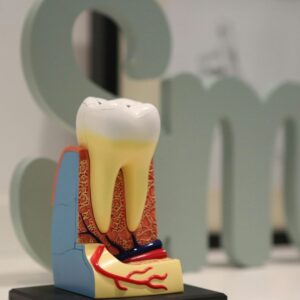
The sac that surrounds an unerupted wisdom tooth can sometimes fill with fluid, forming a cyst. Though rare, these cysts can grow large, causing significant damage to the jawbone, adjacent teeth, and nerves. In extremely rare cases, a tumor can develop. While these conditions are uncommon, their treatment is far more invasive and complex than a standard wisdom tooth extraction. Removing the problematic tooth early eliminates the root cause of this risk.
Ensuring Optimal Oral Hygiene

Because of their position at the very back of the mouth, even fully erupted wisdom teeth can be notoriously difficult to reach with a toothbrush or floss. This makes them a magnet for plaque and bacteria, contributing to bad breath, gum disease, and recurrent decay. By electing for early removal, you simplify your daily hygiene routine and drastically reduce the risk of developing periodontal disease and decay in this hard-to-clean area.
Quicker and Easier Recovery at a Younger Age

The recovery period for these oral procedures is generally easier and faster for younger patients (typically teenagers and early twenties). At this age, the wisdom tooth roots are less fully developed, and the surrounding bone is less dense and more elastic. This makes the extraction less traumatic to the jaw. Waiting until your late 20s or 30s can result in a longer, more painful recovery, and a greater chance of post-operative complications.
Avoiding Emergency Surgery and Severe Pain
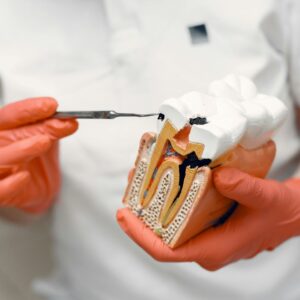
The pain associated with a suddenly impacted or infected wisdom tooth can be agonizing, often forcing an emergency surgical procedure. Emergency surgery frequently happens when the patient is already suffering from intense wisdom teeth removal teeth pain, which complicates the use of anesthetics and can extend the post-operative discomfort. Planning your surgery allows for careful preparation, scheduling, and a calmer, more controlled procedure, turning a potential emergency into a simple, scheduled outpatient visit.
While the decision for any surgery should be carefully considered, the evidence strongly supports a proactive approach to wisdom teeth removal. By eliminating potential sources of infection, crowding, and acute wisdom molar pain before they manifest, you invest in a lifetime of better dental health. These preventative oral procedures safeguard your smile, protect your bone structure, and ensure you avoid the intense wisdom teeth removal teeth pain associated with emergency surgery. Consult our surgical team today to assess your risk and secure your long-term oral well-being.